News

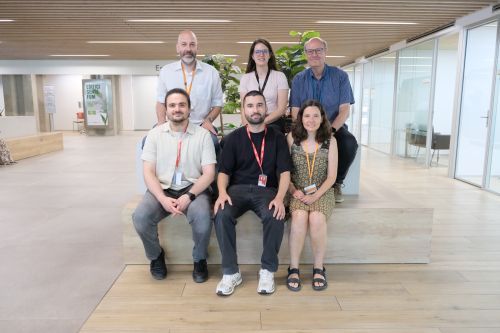
    Imatge investigadors de l'estudi
    The study led by PADO on a model based on epidemiological data which could help advance the detection of pancreatic cancer
    17/06/2026

    A new tool has been validated that could facilitate the early detection of pancreatic cancer, one of the most aggressive and difficult-to-diagnose tumors. The research team, with a prominent role played by the PADO (Pancreatic Cancer Assessment Program), developed the tool, the statistical analysis, and the integration of epidemiological data. The study, published in the Journal of Epidemiology, has verified a scoring system based on 24 epidemiological factors that allows for the identification of individuals at higher risk of developing pancreatic cancer.

    The work focused on individuals with a high familial risk of developing this disease and was validated using data from nearly 300,000 participants in the UK Biobank. The results show that individuals with higher scores were more likely to have suspicious lesions detected by magnetic resonance imaging (MRI). Therefore, strategies like this can be particularly useful for focusing efforts on high-risk groups.

    https://pubmed.ncbi.nlm.nih.gov/42160519/

    Imatge equip treball GRIDSS
    A new algorithm to detect complex mutations in patients at risk of hereditary cancer
    13/05/2026

    The Hereditary Cancer group at ICO-IDIBELL continues its work on improving the diagnostic strategy for unresolved cases of hereditary cancer, in this instance by applying its own algorithm to identify complex mutations that are difficult to detect. The approach of this study is based on the optimisation of current bioinformatics tools (GRIDSS) and has been published in the European Journal of Human Genetics. The study, led by Dr Conxi Lázaro, involved the participation of UBOP (David Cordero, Ania Alay, José Marcos Moreno and María Ajenjo).

    Imatge equip UBOP

    Tangerine_2026
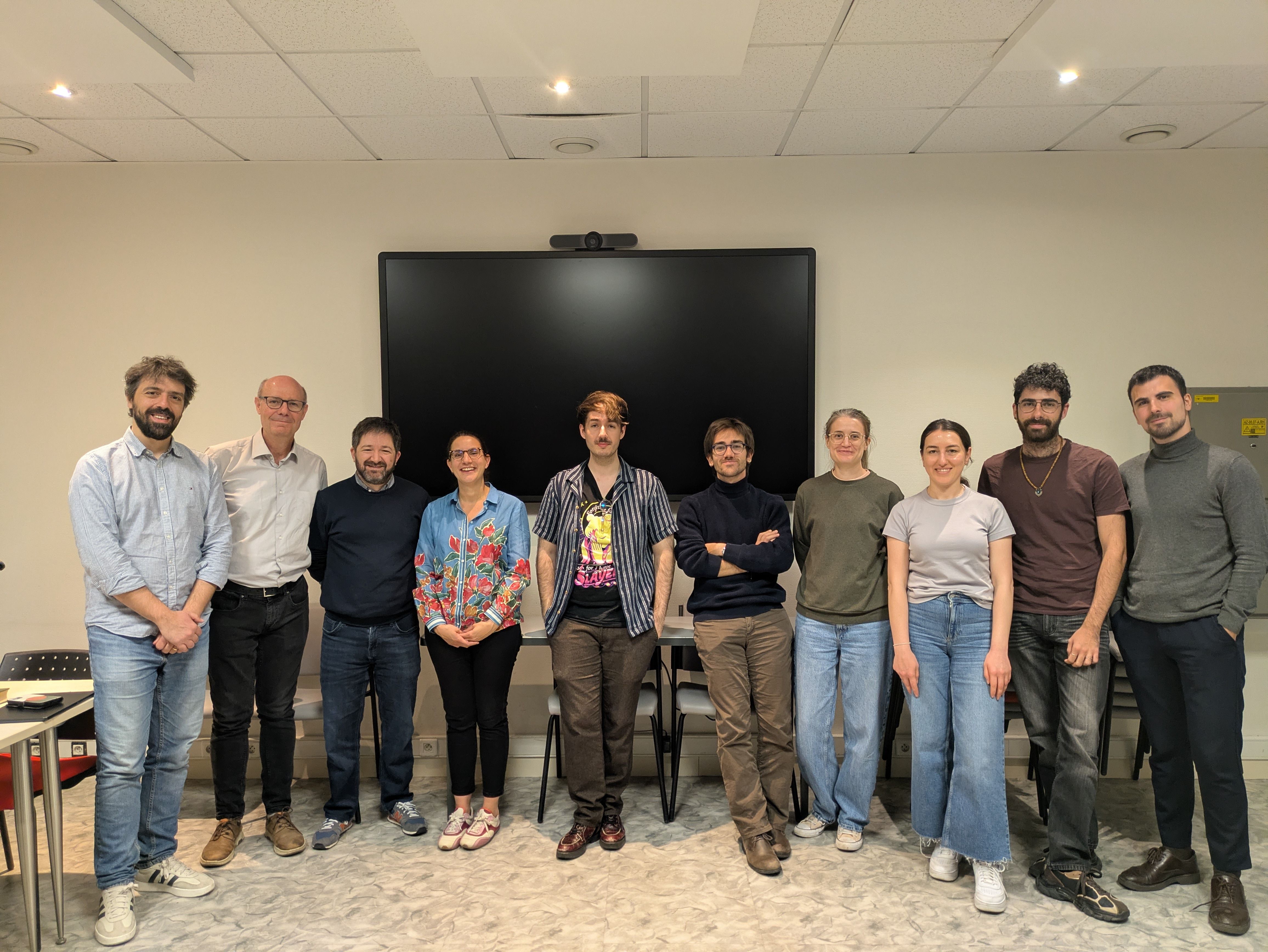
    Closing meeting of the TANGERINE project held in France in April
    16/04/2026

    On April 29 and 30, the European consortium TANGERINE, led by Dr. Víctor Moreno, held its final follow-up meeting at the Henri Mondor Hospital in Créteil, France.

    This initiative, launched in 2023, brings together teams from five countries (Spain, France, Germany, Romania, and Israel) with the goal of developing an artificial intelligence tool capable of predicting the response and toxicity to immunotherapy in patients with different types of cancer.

    This study was funded by the Carlos III Health Institute (ISCIII) under the "International Collaboration Projects" program, which finances actions of the Recovery and Resilience Facility (RRF), through project AC22/00021, by the Spanish Scientific Foundation, and by the European Union – NextGenerationEU.

    Link to project

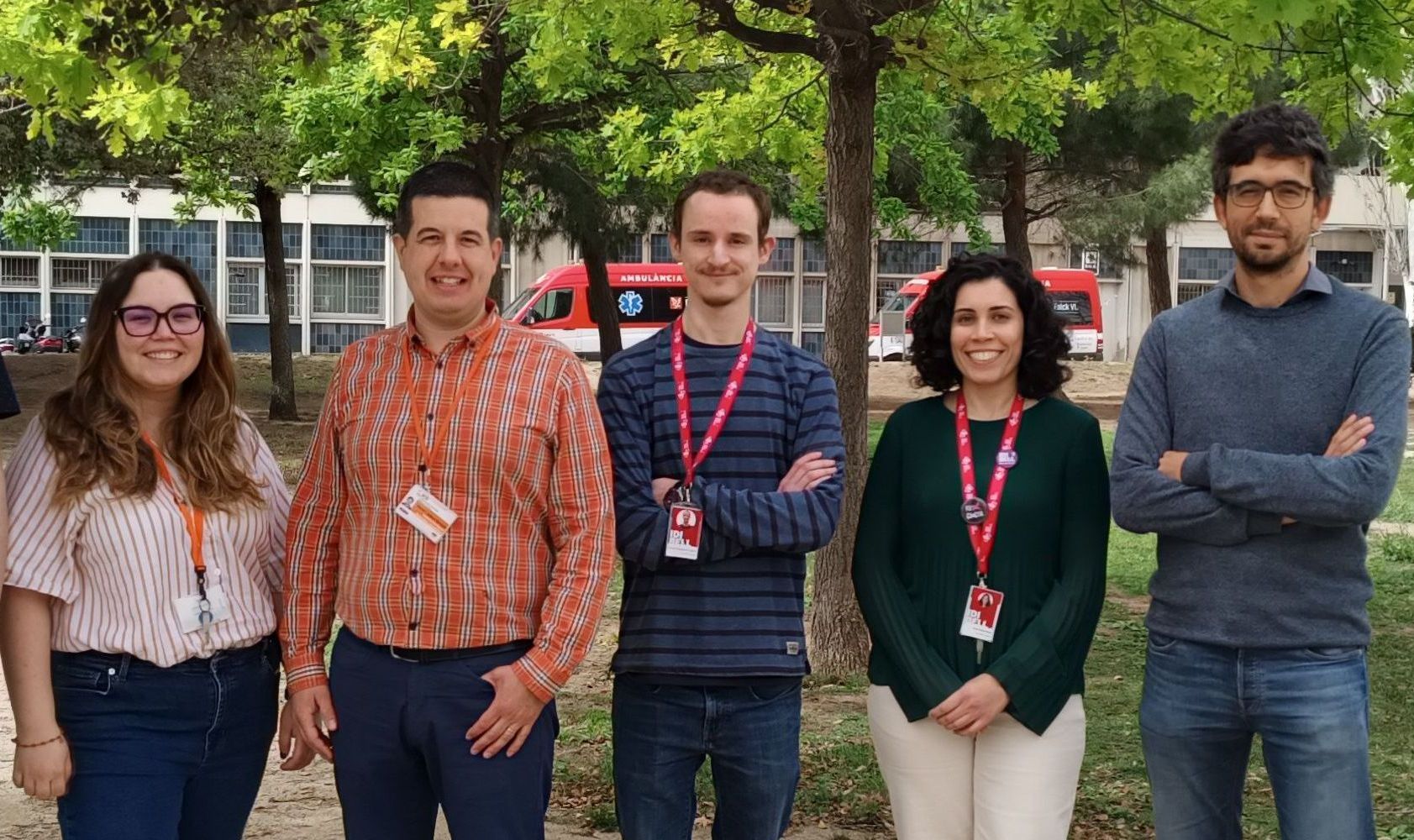
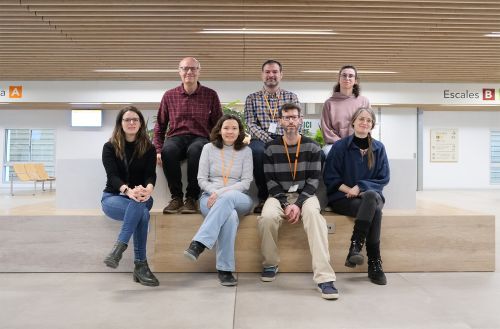
    Imatge equip UBS
    A new study, led by ODAP has identified genetic variants that influence how water treatment affects the risk of colorectal cancer
    16/04/2026

    A new study led by researchers from ODAP Biomarkers and Susceptibility Unit, and published in Environmental International, has shed light on the specific interaction between genetics and the environment in the risk of developing colorectal cancer.

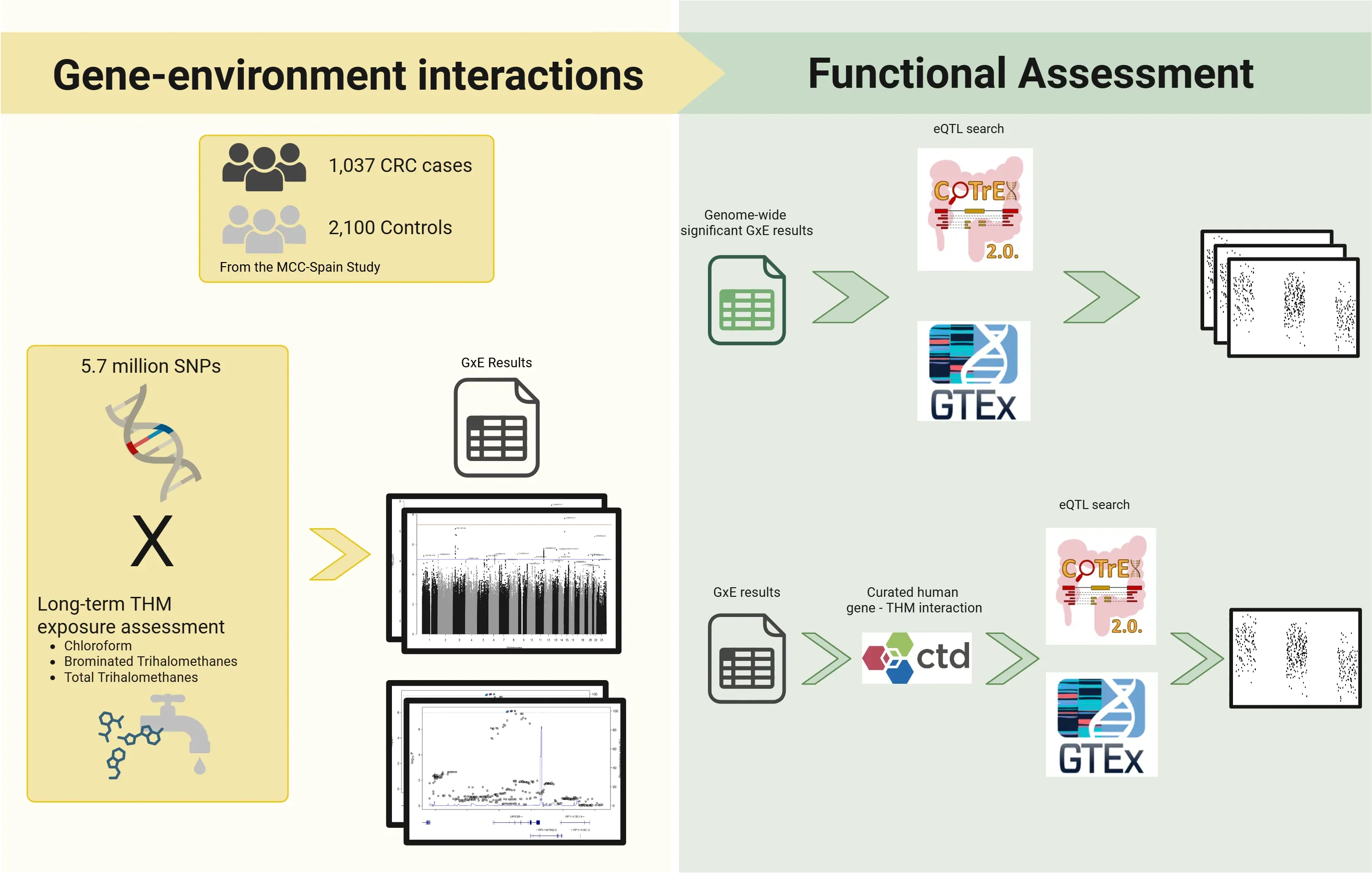
    The development of colorectal cancer does not depend on a single factor but is the result of a complex interaction between genetics, the environment and individual lifestyle. The research, led by Ferran Moratalla as lead author, has focused on the effect of prolonged exposure to trihalomethanes —a common by-product of the water purification process—on the risk of developing colorectal cancer. According to the results, genetic variants have been identified that could modulate the body’s response to trihalomethanes and influence the risk of developing this cancer. Specifically, a variant related to the LRRC8B gene could play a significant role in the biological response to trihalomethanes, increasing susceptibility to colorectal cancer and modulating the risk of developing tumours.

    Further research is needed to confirm these findings and to explore the biological mechanisms underlying the link between trihalomethanes exposure, genetics and the risk of developing colorectal cancer.

    Graphical Abstract
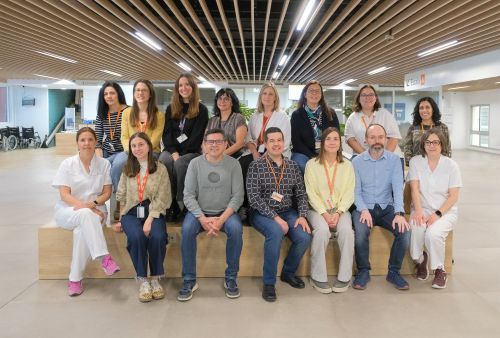
    Membres del Campus Bellvitge
    Conference on the challenges and opportunities of Molecular Tumour Boards at the Bellvitge Campus
    10/04/2026

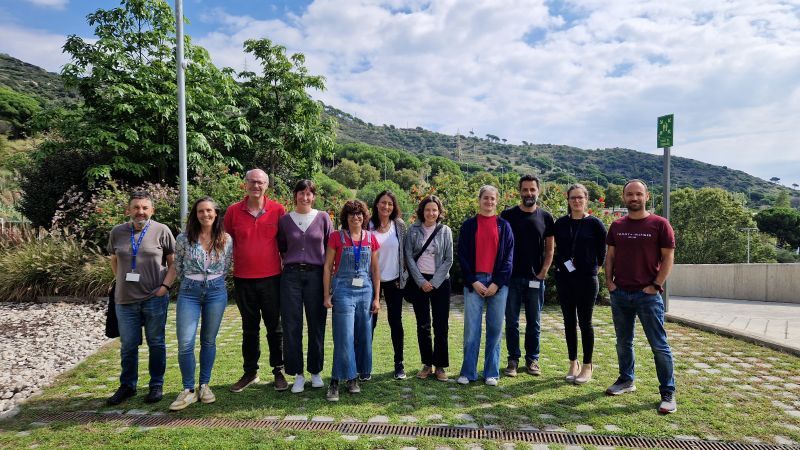
    Last February, the Catalan Institute of Oncology held the second MTB Conference at the Bellvitge Campus, a multidisciplinary event dedicated to analysing the development of Molecular Tumour Boards (MTBs) and their impact on precision medicine. The session brought together healthcare and research professionals from the campus to share experiences and knowledge, focusing on the transfer from the laboratory to the patient and the analysis of real clinical cases. Among the attendees and organisers of the conference were David Cordero, coordinator and member of the UBOP.


    Throughout the conference, key issues were addressed, such as the actionable nature of variants, secondary findings of germline origin and the value of collaborative work in research projects, as well as emphasising the need to optimise diagnostic pathways.

    Jornada MTB